Drivers Of Land Use Change And The Carbon Average ratng: 4,9/5 6100 reviews
Land-use and land-cover change are a significant factor in regional and global carbon cycles. Further, land cover dynamics play an important role in the ecological and economic resilience of the landscape to future conditions. Predicting the influence of land-use and land-cover change on global carbon cycling, food and fiber production, and climate requires gridded inputs defining the land-use and land-cover change (Taylor et al.
Bowdoin College
These gridded land-use inputs describe how the area of the region in different land-use and land-cover classes change over time (Hurtt et al. In global models, different land-use and land-cover classes are often simulated as a fraction of each model grid-cell, thus allow for sub-grid scale variation in land-use. Two major weaknesses in the regional to global simulations are 1) a lack of regionally specific drivers of land-use transitions and regionally specific scenarios of future land-use, and 2) an explicit consideration of management practices on the carbon cycle and land cover dynamics. Recent work by Hansen et al. (2013) shows a number of regions on the global forested landscape that are experiencing significant changes (mostly forest loss). The southeastern United States stands out as a unique region in terms of land change dynamics.
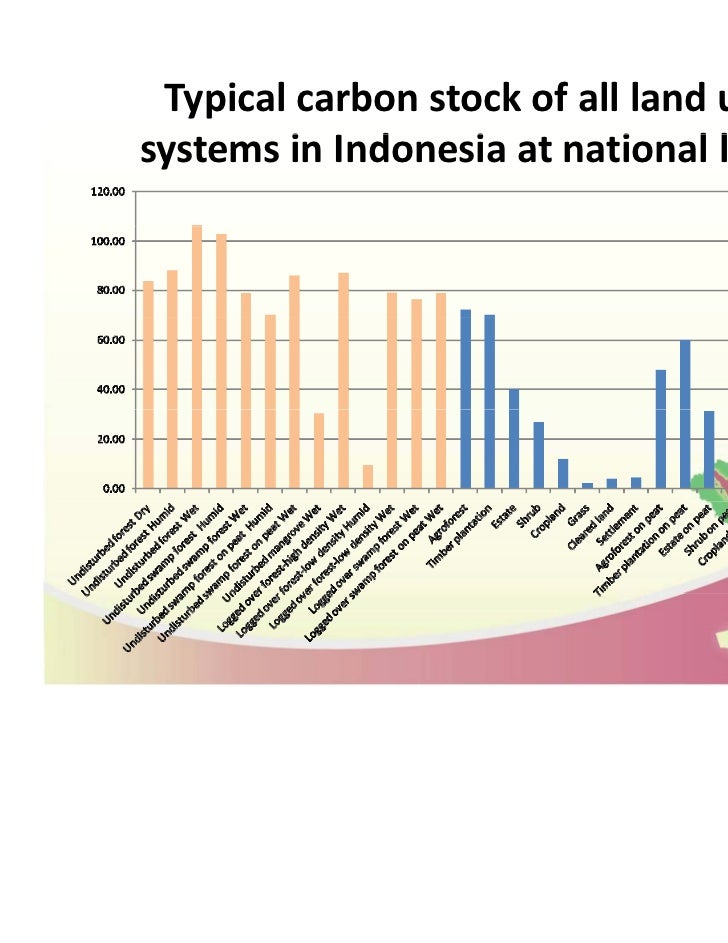
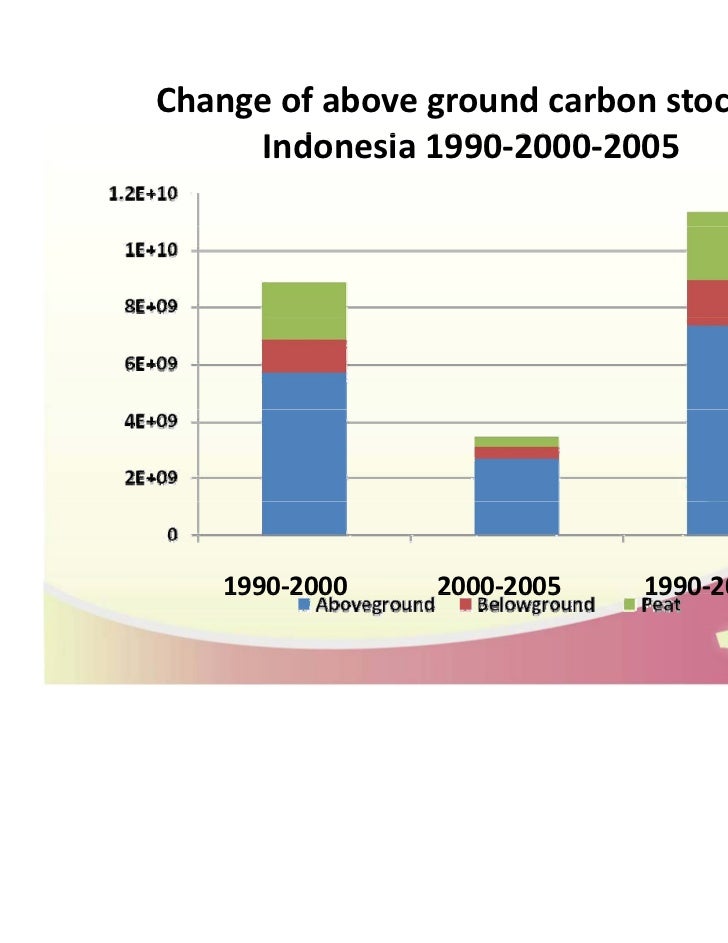
According to Roger Pielke Sr., a leading authorityon land-use change, “change and variability in land use by humans and the resulting alterations in surface features are major but poorly recognized drivers of long-term global climate patterns these spatially heterogeneous land use effects may be at least as important in altering the weather as. Due to land-use change large amounts of carbon have been emitted into the atmosphere. The net effect was an emission of 35 Pg C into the atmosphere for the 1700 to 2000 period. If land use had remained constant at its distribution in 1700, then the terrestrial C uptake would have increased by 142 Pg C.
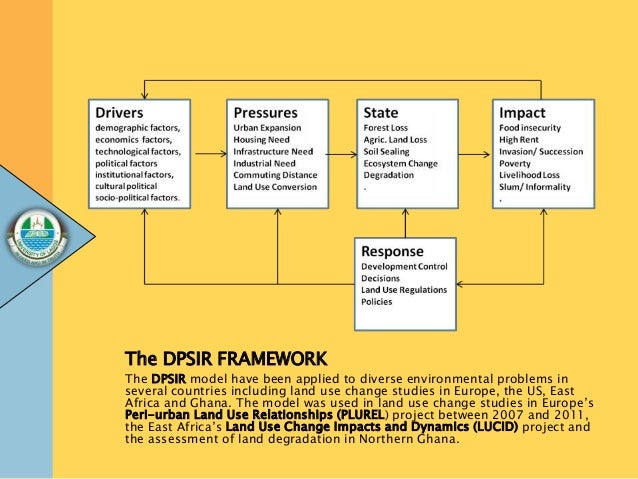
The region is highly productive and largely forested, but with an anthropogenic dominance in the ecosystem. In the southeastern US private owners (from individuals to corporations) control a vast majority of lands (about 90%) and economic factors dominate their decisions. Existing land use studies explicitly address the influence of returns to alternative uses in determining land use choices (Hardie et al. 2000, Lubowski et al.
Oregon State University
2002, Wear 2011). We argue that a limiting feature of previous studies has been the treatment of secondary forests as a single land use, in effect lumping passively managed or unmanaged forests with those that are intensively managed. As planted and intensively managed forests have expanded in the southeastern US and now account for a majority of harvests, it seems clear that these managed forests are distinct land uses with very different costs, benefits and service flows when compared with naturally regenerated and unmanaged forests. We propose a synthesis project that integrates four major projects, decades of research on land use and forest management in the Southeastern United States, and NASA remote sensing products (Landsat) and algorithms to develop a regionally specific land-use transition matrix that considers the economic structure of land management and land use decisions under varying scenarios.
Proceedings Of The National Academy Of Sciences Of The United State…
This matrix will be incorporated into the Global Land-Use Model (GLM) to generate new Land-Use Harmonization datasets, paving the way for future integration of regionally specific land-use decisions into global climate projections. Spiderman 2 enter electro rom. Deliverables for the project include: 1) Landsat-based classification and transitions that include managed forest lands for the Southeast, 2) an integrated assessment of socio- economic drivers of land-use transitions in a management-driven region, 3) regionallyrefined land-use transition matrix derived from an economic conceptual framework that considers management, and 4) harmonization of the regional results with the GLM. Our overall framework could be modified and applied elsewhere to develop regionally appropriate matrices that could feed into the global products.
